

How To Encapsulate a Crawl Space
Crawl spaces are common in homes throughout Nashville, Brentwood, and the greater Middle Tennessee area. While they provide convenient access to plumbing and wiring, they can also become a major source of moisture problems if they aren’t properly protected. With the region’s humid summers, seasonal rainfall, and fluctuating temperatures, crawl spaces can quickly become damp environments that allow mold, pests, and structural damage to develop.
That’s why many homeowners choose crawl space encapsulation. Encapsulation helps seal the crawl space from outside air and ground moisture, creating a dry and controlled space beneath your home. At The Clean Air Co., we help homeowners across Middle Tennessee protect their homes and improve indoor air quality with professional crawl space solutions.
Understanding how crawl space encapsulation works can help you see why it’s such an effective way to protect homes in this region.
Step 1: Inspect the Crawl Space
Before any encapsulation work begins, a thorough crawl space inspection is essential. This step helps identify existing problems that could interfere with the encapsulation process.
During an inspection, professionals look for issues such as standing water, mold growth, damaged insulation, wood rot, pest activity, and structural concerns. These conditions must be addressed before installing a vapor barrier or sealing the crawl space.
In areas like Nashville and Brentwood, crawl spaces often experience moisture buildup due to humidity and rainfall. A proper inspection ensures that any underlying problems are corrected first so the encapsulation system can perform effectively for years to come.
Step 2: Clean & Prepare the Crawl Space
Once the inspection is complete, the crawl space needs to be cleaned and prepared for installation.
This step typically involves removing debris, damaged insulation, old vapor barriers, and any materials that could interfere with the encapsulation system. Clearing out these materials creates a clean working area and ensures the new vapor barrier can be properly installed.
Preparation is especially important in Middle Tennessee homes where crawl spaces may have accumulated debris or moisture damage over time. A properly prepared crawl space helps ensure the encapsulation system will seal correctly and last longer.
Step 3: Fix Drainage & Moisture Issues
Encapsulation should never be installed over an active moisture problem. If the crawl space has standing water, drainage issues, or plumbing leaks, those problems need to be fixed first.
In the Nashville area, heavy rain and saturated soil can cause water to enter crawl spaces through the ground or foundation walls. Addressing these issues may involve improving drainage, sealing cracks, or installing moisture management solutions.
By correcting these problems before encapsulation, homeowners can ensure the crawl space remains dry and protected once the system is installed.
Step 4: Seal Crawl Space Vents & Air Gaps
Traditional crawl spaces often include vents designed to allow outside air to circulate beneath the home. However, in humid climates like Middle Tennessee, these vents can actually bring moisture into the crawl space.
During encapsulation, crawl space vents, gaps, and small openings are sealed to prevent humid outside air from entering. This step helps stabilize the environment beneath the home and keeps moisture from accumulating.
Sealing air leaks also improves energy efficiency by reducing the amount of outside air that can affect indoor temperatures.
Step 5: Install the Crawl Space Vapor Barrier
The most important part of crawl space encapsulation is installing the vapor barrier.
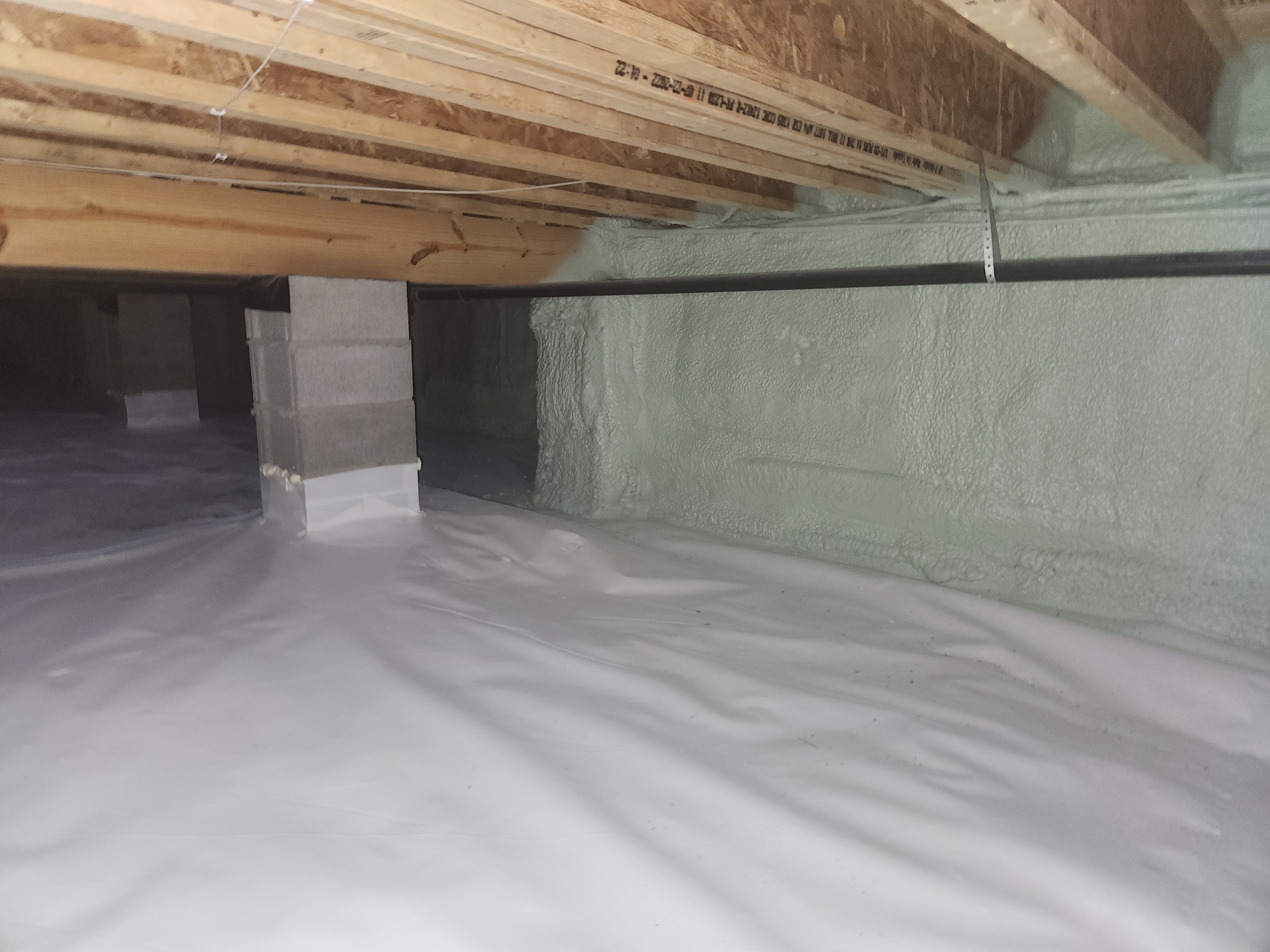
A heavy-duty polyethylene vapor barrier is placed across the crawl space floor and extended up the foundation walls. The material is carefully secured and sealed at the seams to create a continuous barrier that blocks moisture from the soil.
This barrier prevents ground moisture from rising into the crawl space and helps maintain a dry environment. In humid regions like Nashville and Brentwood, this step plays a critical role in protecting the home from mold growth and structural damage.
Step 6: Install Moisture Control Solutions
After the vapor barrier is installed, additional moisture control solutions may be added to maintain proper humidity levels.
Depending on the home, this may include installing crawl space insulation or a professional-grade crawl space dehumidifier. These systems help regulate temperature and humidity beneath the home, especially during Nashville’s hot, humid summers.
Maintaining balanced humidity levels helps prevent mold growth and keeps the crawl space dry throughout the year.
Why Professional Crawl Space Encapsulation Is Recommended
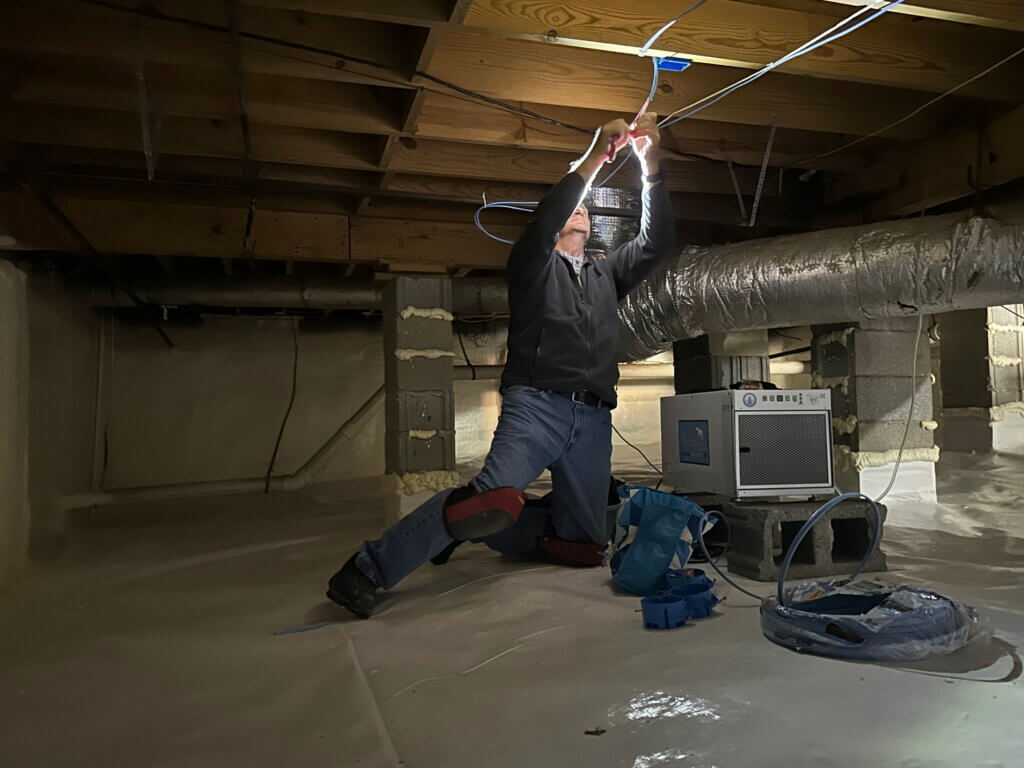
While some homeowners research DIY encapsulation, professional installation is usually the safest and most reliable option.
Crawl space encapsulation requires specialized materials, proper sealing techniques, and careful moisture control to work effectively. If the vapor barrier isn’t installed correctly or moisture issues aren’t fully addressed, the system may fail to protect the crawl space.
Professionals also know how to identify hidden problems such as foundation cracks, drainage concerns, or structural damage that could affect the long-term performance of the encapsulation system.
For homeowners in Nashville, Brentwood, and across Middle Tennessee, working with an experienced crawl space professional helps ensure the job is done correctly and the home stays protected from moisture and humidity.
Seal Out Moisture With Professional Crawl Space Encapsulation
Encapsulating a crawl space involves several important steps, from inspecting the space and addressing moisture problems to installing a vapor barrier and controlling humidity. When each part of the process is done correctly, it creates a sealed environment that helps protect your home from moisture, mold, and air quality issues.
Because homes in Nashville, Brentwood, and throughout Middle Tennessee deal with high humidity and seasonal rainfall, properly sealing the crawl space can make a big difference in the overall health of your home. A well-installed encapsulation system helps keep the space beneath your house dry and stable year-round.
Dealing with moisture issues in your crawl space? Call The Clean Air Co. today for your free crawl space inspection.
FAQs About Crawl Space Encapsulation
How long does crawl space encapsulation last?
A professionally installed crawl space encapsulation system can last many years when high-quality materials and proper humidity control are used.
Can you encapsulate a crawl space with standing water?
Standing water should be addressed before encapsulation. Drainage issues or leaks need to be fixed first so the encapsulation system can properly protect the crawl space.
What type of vapor barrier is used in crawl space encapsulation?
Most professional encapsulation systems use a thick polyethylene vapor barrier, designed to resist moisture and create a durable seal along the crawl space floor and walls.
Can I encapsulate my crawl space myself?
Some homeowners attempt DIY encapsulation, but professional installation is recommended to ensure proper sealing, moisture control, and long-term performance.