

Crawl Space Encapsulation vs. Vapor Barrier
What’s the Difference?
Moisture is one of the most common problems homeowners face in crawl spaces. In areas like Nashville, Brentwood, and throughout Middle Tennessee, humidity, rainfall, and warm temperatures can create damp conditions beneath homes that lead to mold, musty odors, and structural damage over time.
Two of the most common solutions for crawl space moisture control are vapor barriers and crawl space encapsulation. While both are designed to help manage moisture, they work in different ways and offer different levels of protection.
At The Clean Air Co., homeowners often ask which option is best for their home. Understanding the differences between crawl space encapsulation and vapor barriers can help you choose the right solution for protecting your home from moisture problems.
Why Moisture Control Matters for Crawl Spaces in Nashville
Homes throughout Middle Tennessee are particularly vulnerable to crawl space moisture problems because of the region’s climate.
Nashville experiences humid summers, seasonal rainfall, and fluctuating temperatures, which can allow moisture to accumulate beneath homes. When damp air and ground moisture enter the crawl space, they can create the ideal environment for mold growth, wood rot, and pest infestations.
Moisture can also affect the air inside your home. Because air from the crawl space can circulate upward into living areas, excess humidity and mold spores may impact indoor air quality and overall comfort.
That’s why controlling moisture in the crawl space is so important for homeowners across Brentwood, Nashville, and surrounding communities.
What Is a Crawl Space Vapor Barrier?
A crawl space vapor barrier is a moisture control material designed to prevent ground moisture from entering the crawl space.
Typically made from durable polyethylene plastic, the vapor barrier is installed directly on the crawl space floor, covering exposed soil. The barrier acts as a protective layer that blocks moisture from evaporating out of the ground and entering the crawl space air.
The main goal of a vapor barrier is to reduce the amount of moisture rising from the soil. By limiting ground moisture, it helps reduce humidity levels and can help prevent mold growth.
However, in many cases the vapor barrier is only installed on the crawl space floor and does not seal the walls, vents, or other openings where outside air and humidity can still enter.
What Is Crawl Space Encapsulation?
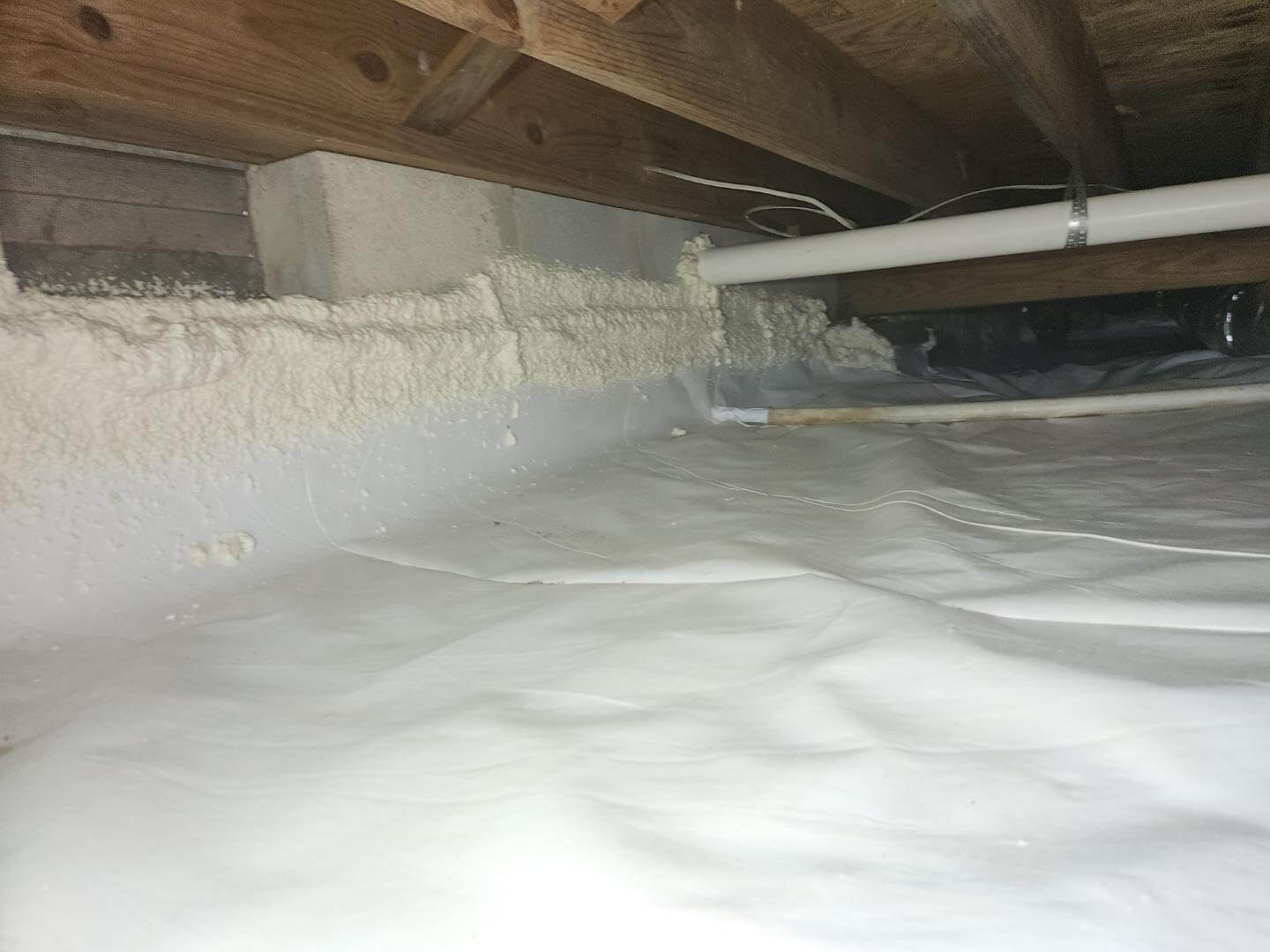
Crawl space encapsulation is a more comprehensive moisture control system that fully seals the crawl space environment.
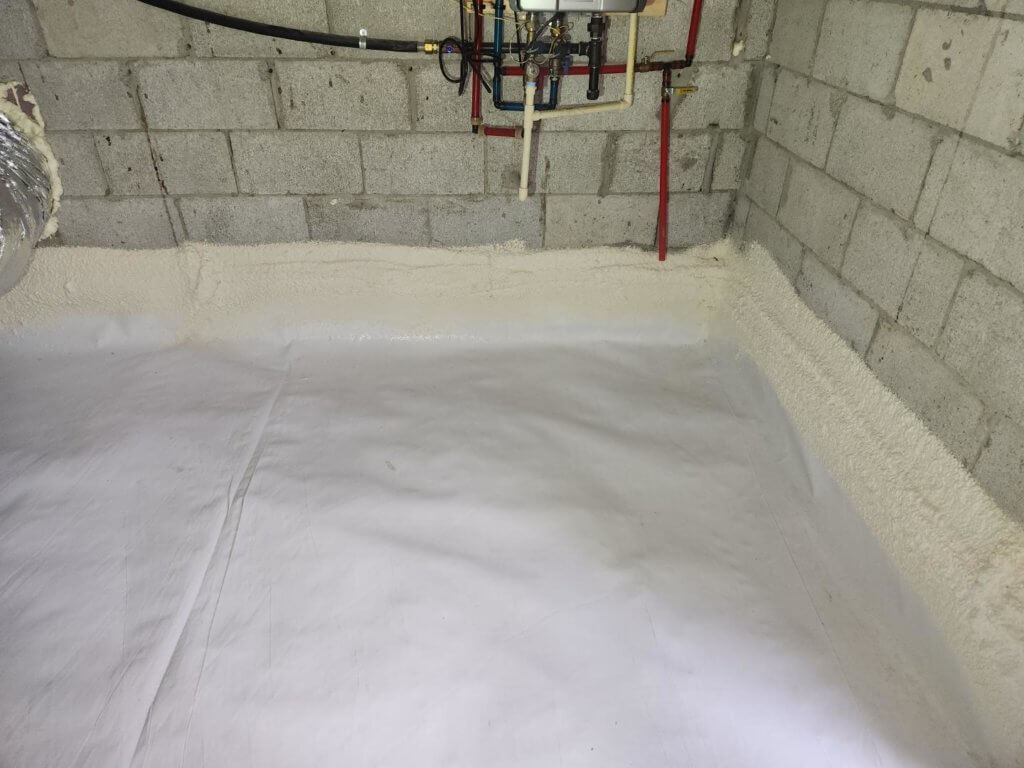
Instead of only covering the ground, encapsulation involves installing a heavy-duty vapor barrier along the crawl space floor and foundation walls. The seams are sealed, and crawl space vents and air gaps are closed to prevent outside air from entering.
Encapsulation systems may also include additional components such as:
- Crawl space insulation
- Air sealing around vents and openings
- Professional-grade dehumidifiers to control humidity
The goal of encapsulation is to create a completely sealed and controlled environment beneath the home, preventing both ground moisture and humid outdoor air from entering the crawl space.
For homes in humid climates like Middle Tennessee, this approach often provides stronger protection against moisture-related problems.
Crawl Space Encapsulation vs. Vapor Barrier: Key Differences
Both solutions can help reduce moisture in a crawl space, but they offer different levels of protection.
Moisture Protection
A vapor barrier helps block moisture rising from the ground, which can reduce humidity levels in the crawl space.
Encapsulation, however, provides more complete moisture protection by sealing the entire crawl space environment. By covering the floor and walls and sealing vents, encapsulation prevents both ground moisture and humid outside air from entering the space.
Air Sealing
Most vapor barriers do not seal crawl space vents or other openings, which means outside air can still enter the crawl space.
Encapsulation systems include air sealing, which closes off vents and gaps to prevent humid outdoor air from entering the crawl space.
Mold Prevention
Mold thrives in warm, damp environments. While a vapor barrier can reduce some moisture, it may not fully control humidity levels.
Encapsulation systems often include dehumidifiers and sealed barriers that help maintain balanced humidity levels, making it much harder for mold to grow.
Energy Efficiency
Because vapor barriers do not seal outside air from entering the crawl space, temperature fluctuations can still affect the home above.
Encapsulation helps regulate the crawl space environment, which can improve HVAC efficiency and overall energy performance by reducing temperature and humidity changes beneath the home.
Cost Considerations
Vapor barriers are typically less expensive to install because they cover only the crawl space floor.
Encapsulation systems cost more upfront because they involve sealing the entire crawl space and may include additional components like insulation and dehumidifiers. However, they often provide long-term benefits and stronger protection against moisture damage.
Which Option Is Better for Homes in Middle Tennessee?
The best solution depends on the condition of the crawl space and the level of moisture control needed.
In some cases, a vapor barrier may provide basic protection against ground moisture. However, because Nashville and Brentwood experience high humidity and regular rainfall, many homeowners benefit more from a full crawl space encapsulation system.
Encapsulation provides more complete moisture control, which can help prevent mold growth, improve indoor air quality, and protect the structural components of the home. For homes dealing with persistent humidity or moisture problems, encapsulation often delivers better long-term results.
Professional Crawl Space Solutions in Nashville
Understanding the difference between a vapor barrier and crawl space encapsulation can help you choose the right moisture control solution for your home. While vapor barriers provide basic protection from ground moisture, encapsulation offers a more complete solution by sealing the crawl space and controlling humidity.
If you’re dealing with crawl space moisture or aren’t sure which option is best, The Clean Air Co. can help.
Contact our team today to schedule a professional crawl space inspection and find the right solution to keep your home dry and protected.
FAQs About Crawl Space Encapsulation in Brentwood
Is a vapor barrier the same as crawl space encapsulation?
No. A vapor barrier typically covers only the crawl space floor to block ground moisture, while encapsulation seals the entire crawl space, including the walls and vents.
Can you add encapsulation if a vapor barrier already exists?
Yes. In many cases, an existing vapor barrier can be upgraded or incorporated into a full encapsulation system that seals the entire crawl space.
How long does crawl space encapsulation last?
A professionally installed encapsulation system can last many years when high-quality materials are used and humidity levels are properly maintained.
Do all crawl spaces need encapsulation?
Not every crawl space requires encapsulation, but homes experiencing high humidity, mold growth, or recurring moisture problems often benefit from the added protection.